 EN
EN
 RU
RU
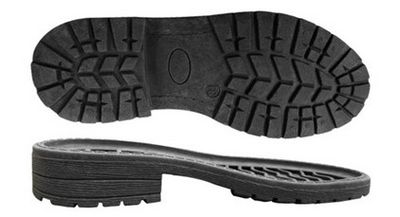
One of the primary requirements determining the composition of TPE for shoe soles is the ability to achieve strong adhesion between the thermoplastic elastomer sole and the upper part of the shoe.
Italian brands are generally recognized for their high-quality TPE compounds for footwear applications. In recent years, Russian manufacturers of thermoplastic elastomers for shoe soles have also entered the market.
In terms of softness in winter conditions and wearing comfort, TPE soles outperform PVC plastisol soles, while in terms of cost, shoe soles made from TPE are significantly more affordable than polyurethane soles.
Key Characteristics of Footwear TPE:
- Physical properties: hardness, density, and melt flow rate (MFR);
- Elastic and strength properties: tensile strength, elastic modulus, elongation at break, and residual elongation after break;
- Compression set at room and elevated temperatures;
- Abrasion resistance;
- Number of deformation cycles before fracture.
The density of footwear TPE typically ranges from 1.00 to 1.02 g/cm³, with a melt flow rate of 15–70 g/10 min. Hardness varies from 55 to 85 Shore A, depending on the type of footwear for which the sole is intended.
At the same time, abrasion resistance and crack resistance under repeated deformation largely determine the overall quality level of the TPE compound. High-quality footwear grades of TPE feature an abrasion index below 250 mm³ and can withstand over 20,000 deformation cycles before fracture.
The Standard Prof Factory produces a range of footwear-grade TPE compounds available in black, natural, and any RAL color. In addition, transparent TPE grades and grades with reduced density have been developed for specialized footwear applications.
